This is a practical SEO tutorial for whoever needs it — beginner or expert. If you’re new, it should be plain enough to get you moving. If you’ve been doing this a while, it’ll probably reinforce what you already know, or give you a few things to dig into further. Built on my own past experience and continuous learning on the topic, not theory.
A website is a basic necessity today for any product or business trying to reach people. Having one is good; having one with good content is better; having one that’s actually findable through search is best. You want to land on the first page, ideally the top ranks, with a result that’s clear and clicks well. The payoff of a genuinely well-optimized site is enormous.
I’m not going to cover building a website or writing good content here — just the practical basics and techniques for optimizing what you already have for SEO (Search Engine Optimization). Let’s get into it.

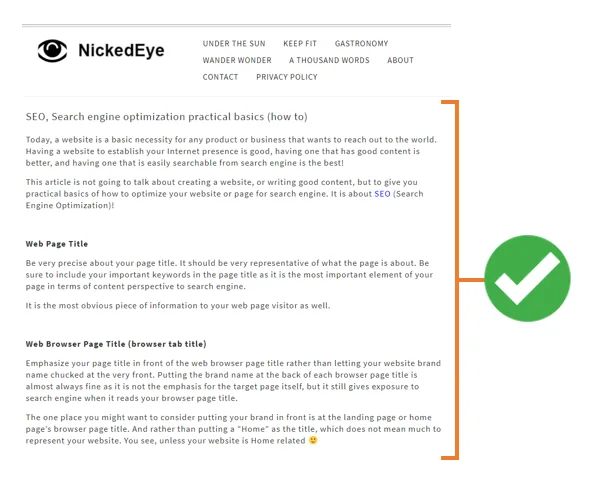
1. Web page title
Be precise about your page title. It should genuinely represent what the page is about, with your important keywords included — it’s the single most important content element on the page from a search engine’s perspective, and it’s also the most obvious thing your actual visitors see.
2. Browser tab title
Put the page’s own title in front of your website’s brand name in the browser tab, not the other way round — the brand name at the back is fine, since it’s not the emphasis for that specific page but still gives search engines exposure to it. The one exception: your homepage. There, brand name in front makes sense — “Home” as a title tells search engines nothing.

3. Quality content
Write content that actually serves a purpose and tells visitors what you want to convey on that page. Keep your important keywords in mind and use them in properly readable sentences — but don’t overuse or repeat them (keyword stuffing). A page that reads like it exists to rank rather than to inform is exactly what search engines have gotten good at spotting. Write to genuinely inform and educate.
4. Meta description
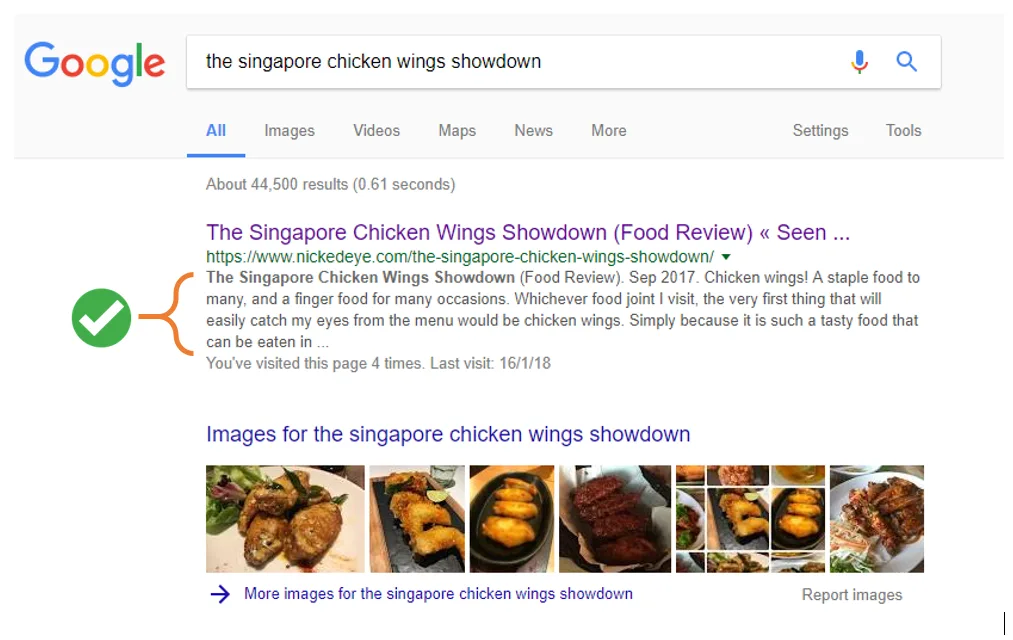
Modern search engines don’t weight meta keywords or the way quality content gets weighted. But a good meta description still earns its keep if the search engine chooses to show it as your result summary — it’s what pulls the click. Meta keywords, on the other hand, aren’t visible to humans anywhere on the page or in results, and search engines don’t give them much credit anymore. Spend your effort on the description, not the hidden keyword list.
5. User-friendly URL
Build pages with readable URLs, especially the ones meant to inform — not gibberish text or IDs. Think about it from the angle of someone typing the URL themselves: they want human-intelligible words. Search engines are, in a sense, cataloguing machines built around how humans look for information, so they respond well to the same thing humans do. One detail worth remembering: a dash represents a space to a search engine, an underscore joins two words together — use dashes.

6. Information architecture
Keep your pages well organized within the site. Content should be properly laid out, uncluttered, with easy-to-navigate menus so visitors find what they need without effort. A good navigation structure that’s easy for humans to traverse is, not coincidentally, also easy for search engines to index and catalogue.
7. Optimized digital assets
Reduce the footprint of images, video, and documents wherever you can, especially anything purely decorative rather than informative — they shouldn’t dominate your page’s total size. A lightweight page loads fast enough that visitors don’t bail before they’ve read anything. Photos should be web-optimized. Video should use modern streaming that starts playing before the whole file loads — if your hosting can’t do that, offload to something like YouTube that handles it properly. Downloadable files should show their size upfront so people know what they’re committing to.
8. Alt text for digital assets
Give your images alternate text. It’s not obvious to most visitors, but it tells search engines what the asset actually is, and it matters for accessibility tools used by visually impaired visitors. It also covers you gracefully when an image fails to load — the alt text shows in its place instead of a broken icon.
9. Text alongside infographics
If you’re using infographics, pair them with real accompanying text that describes what’s in them. Search engines can’t read a graphic — without the text, the whole thing is invisible to them no matter how good it looks to a human.
10. Quality links
You might think linking out to other sites bleeds your own traffic or ranking. It doesn’t, generally. Referencing genuinely good external content that supports what you’re saying is something your readers appreciate — and if search engines are modelling reader behaviour, they respond the same way. Pay it forward with link juice to good content; it tends to come back around once you’re the one with something worth linking to. Just make sure what you’re linking to is a genuine page, not something dodgy. Internal links to your own related content matter too — don’t rely on the nav menu alone to show how your site’s content connects.
11. Broken links
Check your links from time to time and fix what’s broken. Broken links irritate readers and search engines both, and it doesn’t do your SEO any favours.
12. Simple coded links
A bit technical, this one: if your links are built dynamically after the page renders in the browser, search engines can struggle — sometimes fail entirely — to find their way around them. Stick to simply coded links where you can. The good news is modern search engines are increasingly capable of handling dynamic linking too, so this matters less than it used to, but it’s still the safer default.
13. Mobile responsive
More people browse from phones and tablets every year, and search engines evaluate your site from that perspective accordingly. Your site needs to adapt cleanly to different viewport sizes — readable, well laid out, no pinching or stretching required. Mobile-friendliness genuinely counts toward SEO today.

14. Secure website
Cyber security matters more every year, and search engines look at your site’s ability to protect itself and its visitors. They’re not going to rank a site highly and send searchers into something infected with malware. Today, a site is expected to run its traffic over HTTPS — without it, major browsers will actively flag you as “not secure,” which tanks visitor confidence on sight. Search engines like Google prioritise secure sites in results, which lines up with what a genuine visitor wants too.

15. Fast loading, speedy website
A fast-loading site helps your visitors reach your content without an initial wait barrier — and it helps search engines crawl your content faster too. A slow site is the last thing that keeps either of them around. That’s your SEO gone before it started.
16. User experience
Good UX — visitors having a genuinely good experience regardless of device, and finding it easy to move through your site — is a big win for retention: longer visits, more reasons to come back. Paired with good content, there’s no reason search engines wouldn’t want to prioritise you in results too.
17. Social and user engagement
Once you’ve put in the work on content, the next logical step is getting it in front of people. Share it on social media, invite engagement. Good content earns real readership and real shares — and when your content is worth sharing within people’s own networks, that’s exactly the kind of interest search engines pay attention to and try to connect with future searchers.
18. Backlinks
As your content proves useful to people, it starts attracting genuine references — links from real users on their own sites and blogs. That’s your content being honoured organically, and it’s the real deal: the more backlinks of this nature you earn, the more search engines respect the content being linked to.
19. Location aware
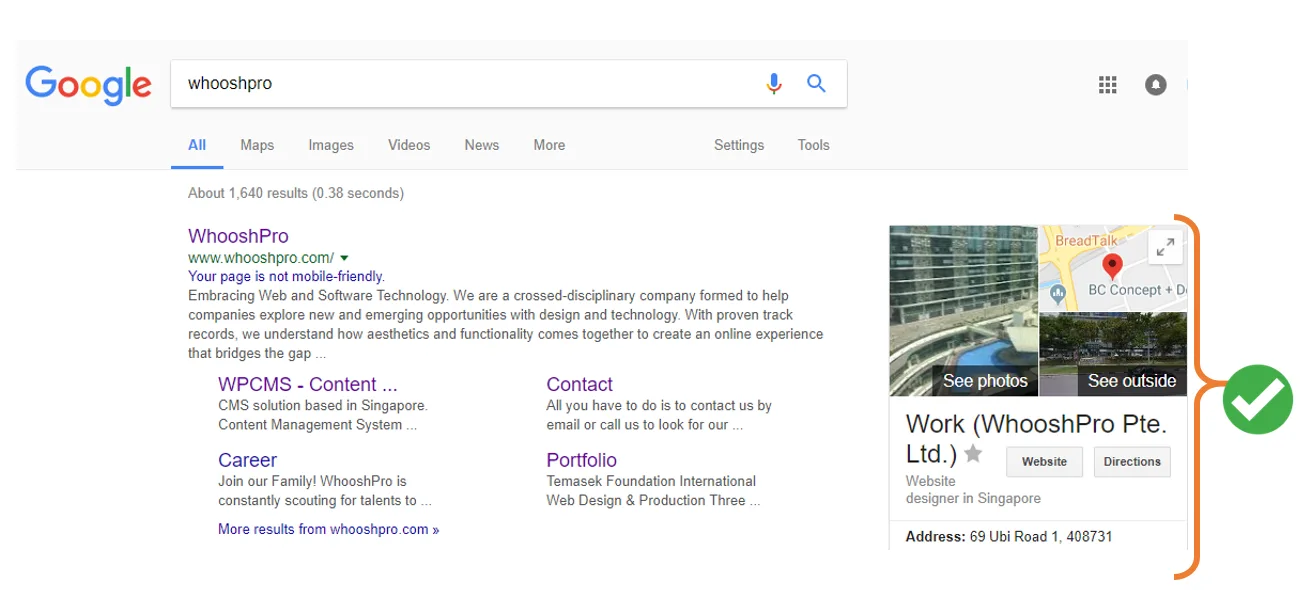
Modern devices are location-aware, and modern search leans into that. If your site represents a business or a product, provide location information — a map, or a listing on something like Google My Business. As an example: my own company, WhooshPro, is based in Singapore and has a Business Profile set up there. Someone searching nearby for related services on a location-aware device may see our content surfaced specifically because of that proximity. Worth setting up if it applies to you.
20. Web analytics
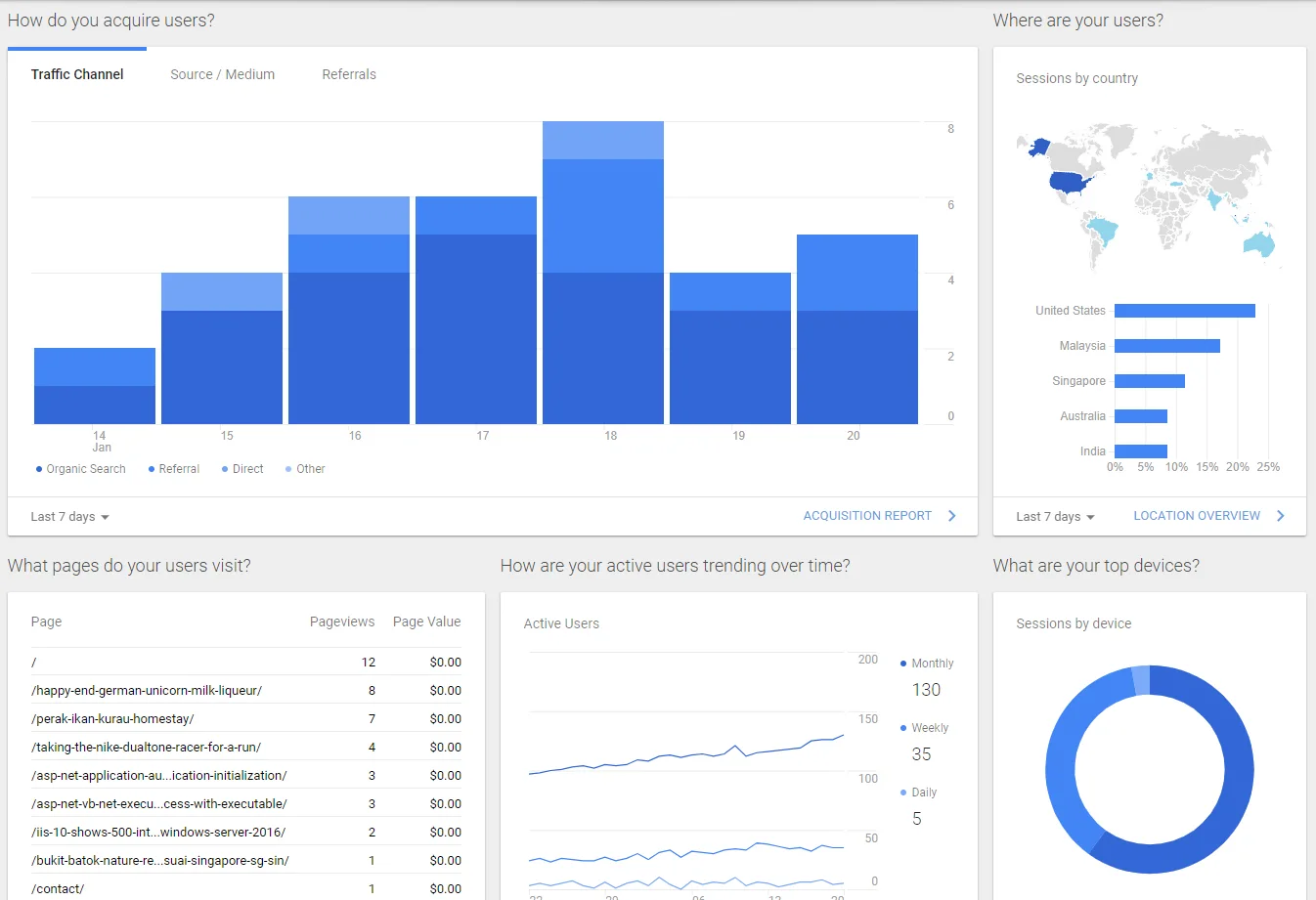
Once you know the SEO fundamentals, you also want to know how your actual visitors behave, so you can fine-tune from there — that’s what tools like Google Analytics are for. If you notice a page getting a lot of direct landing hits, that’s a signal you’re doing something right with that page’s SEO specifically. And since search engines and analytics providers are often the same company, it’s not a stretch that the data feeds back into how well they understand — and rank — your site.
21. Search optimization tools
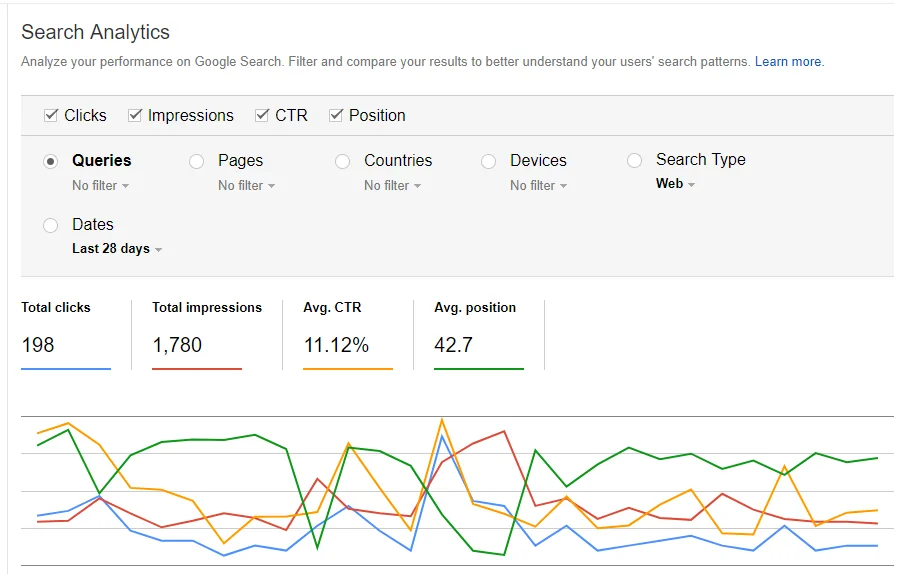
The best tool of all might be the one built by the search engine itself — Google Webmaster’s Search Console, for one. It gives you everything directly relevant to how the search engine sees you. One genuinely useful feature: spotting backlinks easily, so you can tell the difference between quality links and spammy ones and act on the spammy ones. I particularly like the Queries data — the actual keywords and phrases people used that led to your content showing up — it’s real insight into how you’re actually doing. Worth linking your analytics and search console tools together too, if the platform supports it; you unlock things neither gives you standing alone.
22. Be genuine and fair
Write your own original content — not copied from elsewhere. Search engines respect content copyright. Don’t duplicate your own content either, across your own site or another site you run — if a search engine crawls two identical pieces of content, it has to pick one to prioritise, and duplicating doesn’t help your case. Avoid special tactics like automated search-engine submissions or automated directory submissions meant to artificially inflate your ranking or backlink count — modern search engines detect these and can penalise you for them. Let your traffic grow organically, through genuine engagement.
23. Engage professional service
Want to get fundamentally strong in SEO first? A couple of bonuses worth following: the SEO basics, and how to know how search engine indexing and ranking works.
You might want to do it all yourself, and that’s fair — but it’s often worth focusing your own time on what you’re best placed to do, like writing the content only you can write, and letting someone who does SEO full-time handle that part faster and more efficiently than you would learning it from scratch. That’s genuinely part of what WhooshPro does — holistic SEO strategy alongside modern web design that already has the basics baked in, plus ongoing tuning and maintenance. If that’s useful to you, reach out.
In conclusion
Internet technology moves fast, and SEO moves with it. The fundamentals here tend to stay stable for a long while, but don’t get caught out by the changes at the edges — staying savvy and diligent about keeping your site current with SEO trends is part of the job. If you’ve read this far, you’ve got what it takes to keep your pages properly optimized.
If there’s something you know about SEO that isn’t covered here, or you’ve got more insight to add, I’d genuinely like to hear it. For more, browse the rest of the Tech pillar.